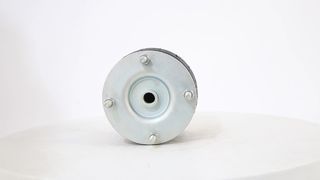
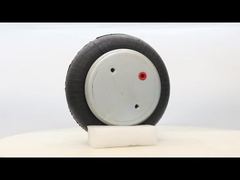
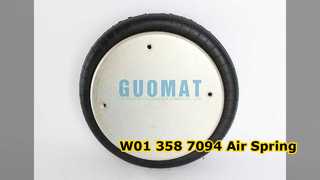
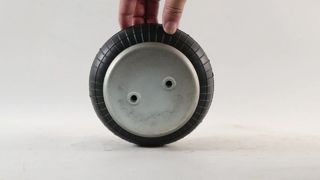
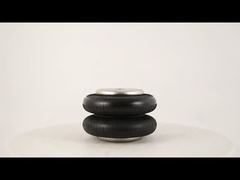
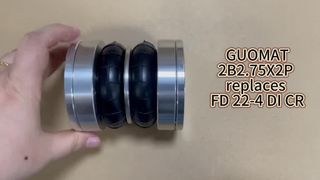
715N Bus Air Spring Suspension

Other Videos
January 13, 2026
Brief: This video frames the solution within typical operational contexts for clearer understanding. Watch as we demonstrate the GUOMAT715N rubber airbag, a key component for low-floor bus air suspension systems. You'll see how this air spring maintains consistent vehicle height and absorbs road impacts, ensuring smooth operation and enhanced ride comfort for urban public transport.
Related Product Features:
  • Specifically designed for low-floor bus air suspension systems with high requirements for ride comfort and height control.
  • Helps absorb road impacts and maintain a consistent vehicle height under varying passenger loads.
  • Ensures smooth vehicle operation essential for modern low-floor public transport vehicles.
  • Supports kneeling functions and smooth suspension movement to reduce step height at bus stops.
  • Isolates road vibration and absorbs shocks from uneven surfaces and speed bumps.
  • Contributes to longer service life and lower maintenance costs by reducing stress on chassis components.
  • Compatible with multiple OEM part numbers including Firestone W01-095-0087 and Contitech 715N.
  • Essential for maintaining consistent performance, comfort, and safety in daily city bus operations.
FAQs:
  • What is the GUOMAT715N air spring designed for?
    The GUOMAT715N rubber airbag is specifically designed for low-floor bus air suspension systems, which have extremely high requirements for ride comfort, height control, and vibration isolation.
  • Which replacement part numbers are compatible with this air spring?
    This air spring is compatible with multiple OEM numbers including Firestone W01-095-0087, Contitech 715N, Goodyear 8015, Phoenix 1F25, Taurus B144, CF Gomma 1SC310-16, and various manufacturer codes from Iveco, IRIS/RVI, DAF, MAN, and Volvo.
  • Why are air springs important for low-floor buses?
    Air springs provide precise height control, smooth ride quality, and reliable performance under changing passenger loads. They support kneeling functions, improve boarding comfort for passengers with reduced mobility, and help isolate road vibrations to reduce maintenance costs and extend vehicle service life.